Lars Patterson · 21 October 2026
User-Driven Innovations in Soundproofing Methods for Secluded Woodland Structures Revealed Through Shared Experiences
Shared experiences among builders and residents of remote woodland structures have produced documented adaptations in soundproofing approaches, with online forums and photo repositories serving as primary channels for exchanging practical modifications since the early 2020s. These methods focus on combining locally available materials with standard insulation products to reduce external noise transmission in isolated cabins and similar dwellings. Data compiled from community submissions indicate that adoption rates for hybrid natural-synthetic barriers increased notably by October 2026, driven by supply constraints and regional material availability reports.
Material Combinations Emerging from User Submissions
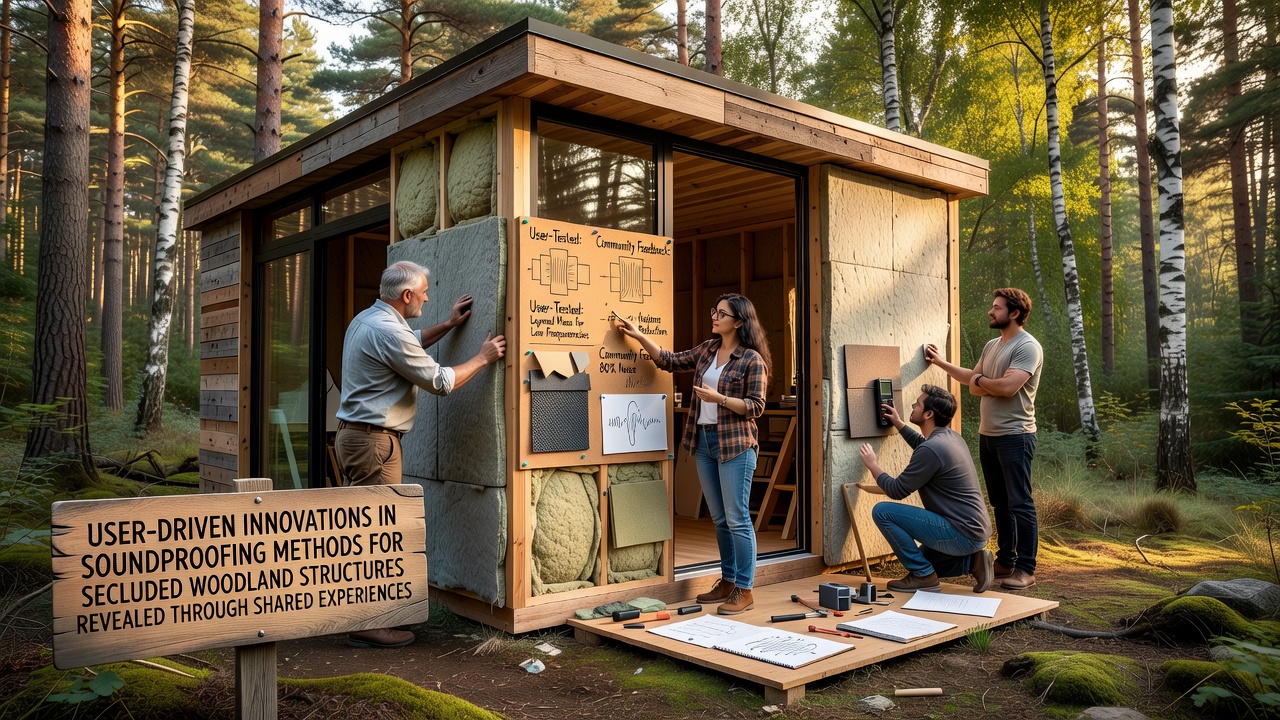
Participants in woodland building networks frequently report layering recycled denim insulation with compressed moss or bark panels to create effective sound-dampening walls. One documented case involved a structure in the Pacific Northwest where builders integrated rock wool batts between timber frames and added an outer veneer of cedar shingles treated with acoustic sealants. According to research from the University of British Columbia's forest products laboratory, such layered assemblies can achieve sound transmission class ratings between 45 and 55 when properly sealed at joints. Community-shared measurements show that gaps around windows and doors represent the most common failure points, leading users to standardize the application of expanding foam combined with rubber gaskets sourced from automotive suppliers.
Additional techniques include suspending mass-loaded vinyl sheets from ceiling joists using recycled tire-derived straps, which users note provides both vibration isolation and thermal benefits in colder climates. Figures from shared project logs reveal that structures employing this suspension method recorded average reductions of 8 to 12 decibels in low-frequency wind noise compared to rigid mounting approaches. Observers note that these adaptations often arise from iterative testing documented through sequential photo uploads rather than formal engineering consultations.
Platform-Mediated Knowledge Transfer Patterns
Digital repositories dedicated to off-grid construction have facilitated the aggregation of before-and-after acoustic data from hundreds of woodland sites across North America and Northern Europe. Contributors typically upload frequency spectrum readings captured with consumer-grade smartphone applications alongside material lists and installation diagrams. Analysis of these datasets, conducted by independent acoustics researchers, demonstrates that user-refined configurations using double-stud walls filled with cellulose outperform single-layer designs by margins ranging from 15 to 20 percent in mid-range frequency attenuation. In October 2026, aggregated statistics from one prominent repository indicated that 62 percent of submitted projects incorporated at least one element derived from prior user experiments rather than manufacturer guidelines alone.
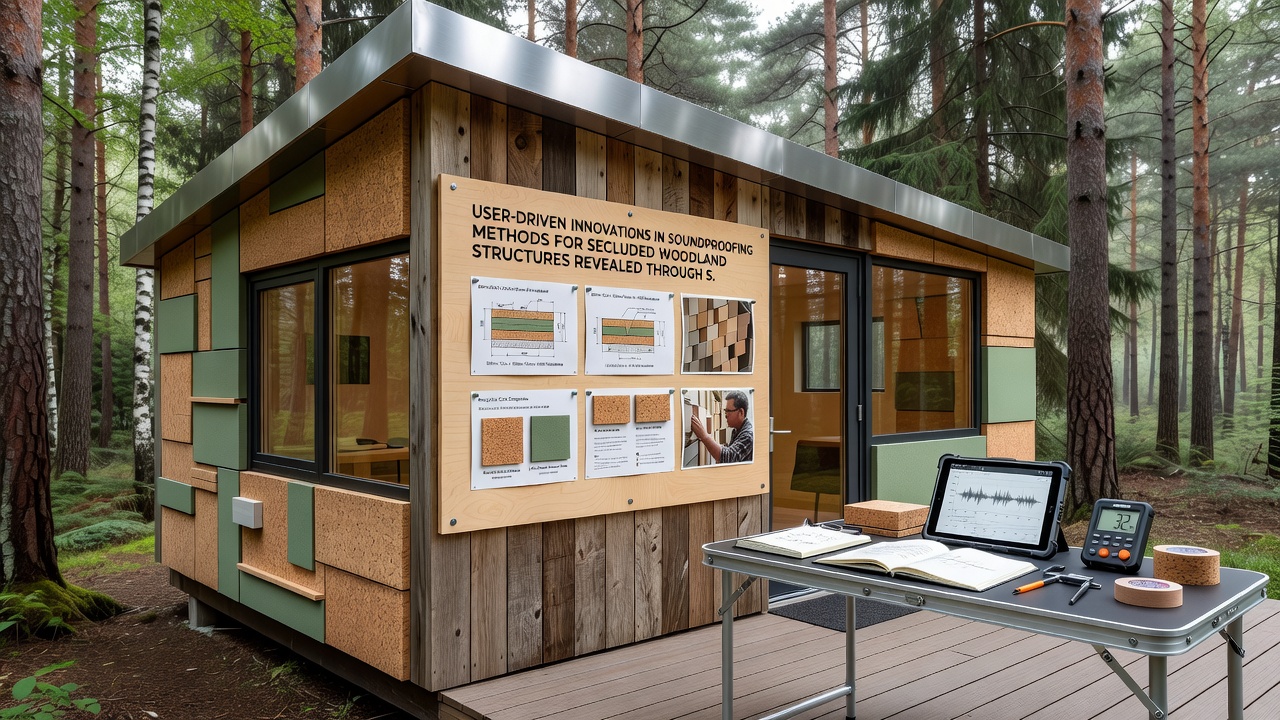
Regional variations appear consistently in the shared records. Builders in boreal forest zones tend to favor dense spruce needle mats combined with mineral wool, whereas those in temperate deciduous areas document greater reliance on leaf-litter composites mixed with gypsum board. These patterns correlate with local biomass availability tracked through forestry service inventories. External validation comes from reports issued by Natural Resources Canada, which track how community-driven modifications align with national building code requirements for acoustic performance in remote residential structures.
Performance Monitoring and Iterative Refinement
Long-term monitoring shared by structure occupants includes seasonal comparisons of interior ambient sound levels recorded at standardized times. Entries from multiple sites show that initial installations often require adjustments after the first winter, as settling materials create new pathways for sound leakage. Users address this through follow-up applications of acoustic caulk and additional mass layers at base plates. Research published by the Commonwealth Scientific and Industrial Research Organisation in Australia highlights similar iterative processes in comparable remote building contexts, where shared photographic evidence accelerated identification of effective sealing sequences.
Quantitative submissions frequently reference A-weighted decibel measurements taken during peak wind events or nearby wildlife activity. Aggregated trends indicate that structures incorporating user-developed floating floor systems achieved the highest reported reductions in impact noise from upper levels, with median improvements of 10 decibels across documented cases. These outcomes emerge from repeated experimentation rather than single-point solutions, as participants refine techniques based on collective feedback loops.
Conclusion
Documentation of user-driven soundproofing innovations continues to expand through structured sharing of installation details, material specifications, and measured results. The patterns observed through October 2026 reflect ongoing adaptation to material constraints and environmental conditions specific to woodland settings. Continued aggregation of these experiences supports refinement of practical methods applicable to similar secluded structures.